„My portfolio reflects a journey from physical perfection to systemic logic. Combining my experience in modelling and CMF with systemic research, I provide solutions that bridge the gap between industry and art.“
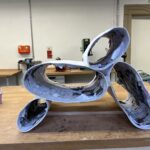
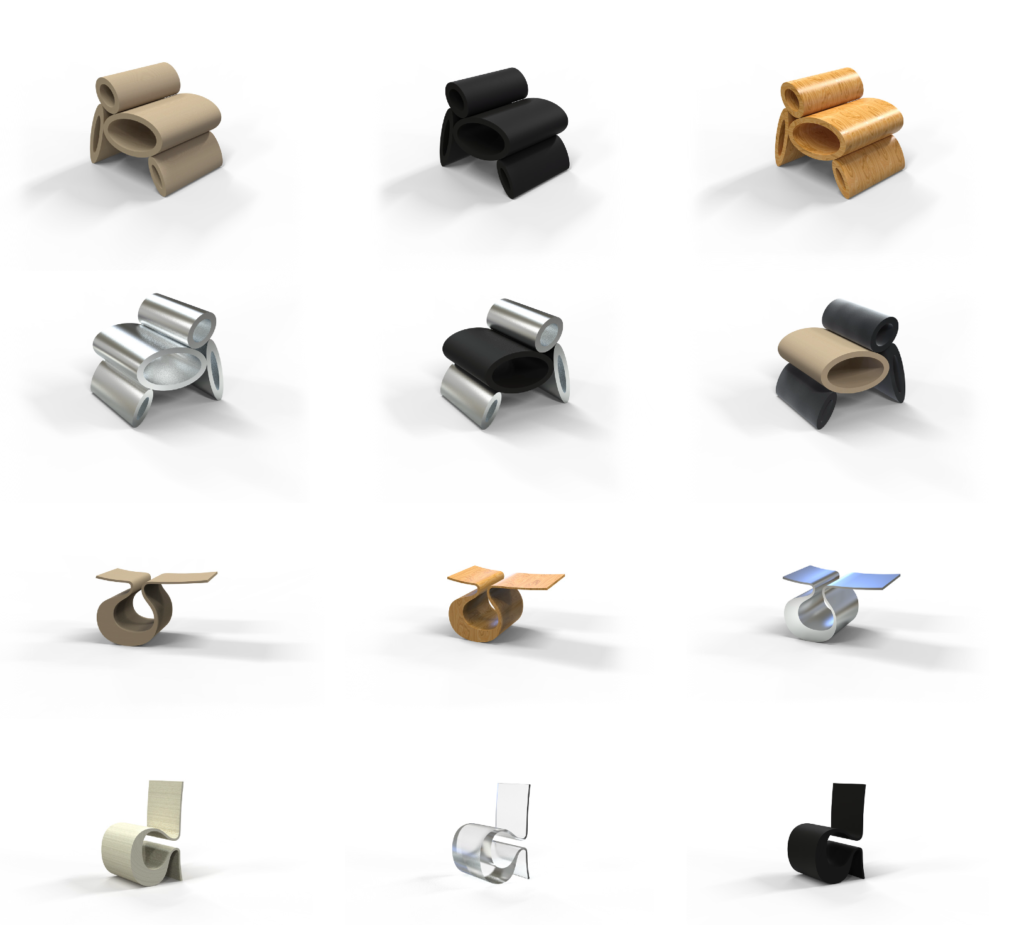
Material & CMF: Digital CAD Data, Local PLA Printing
The Concept
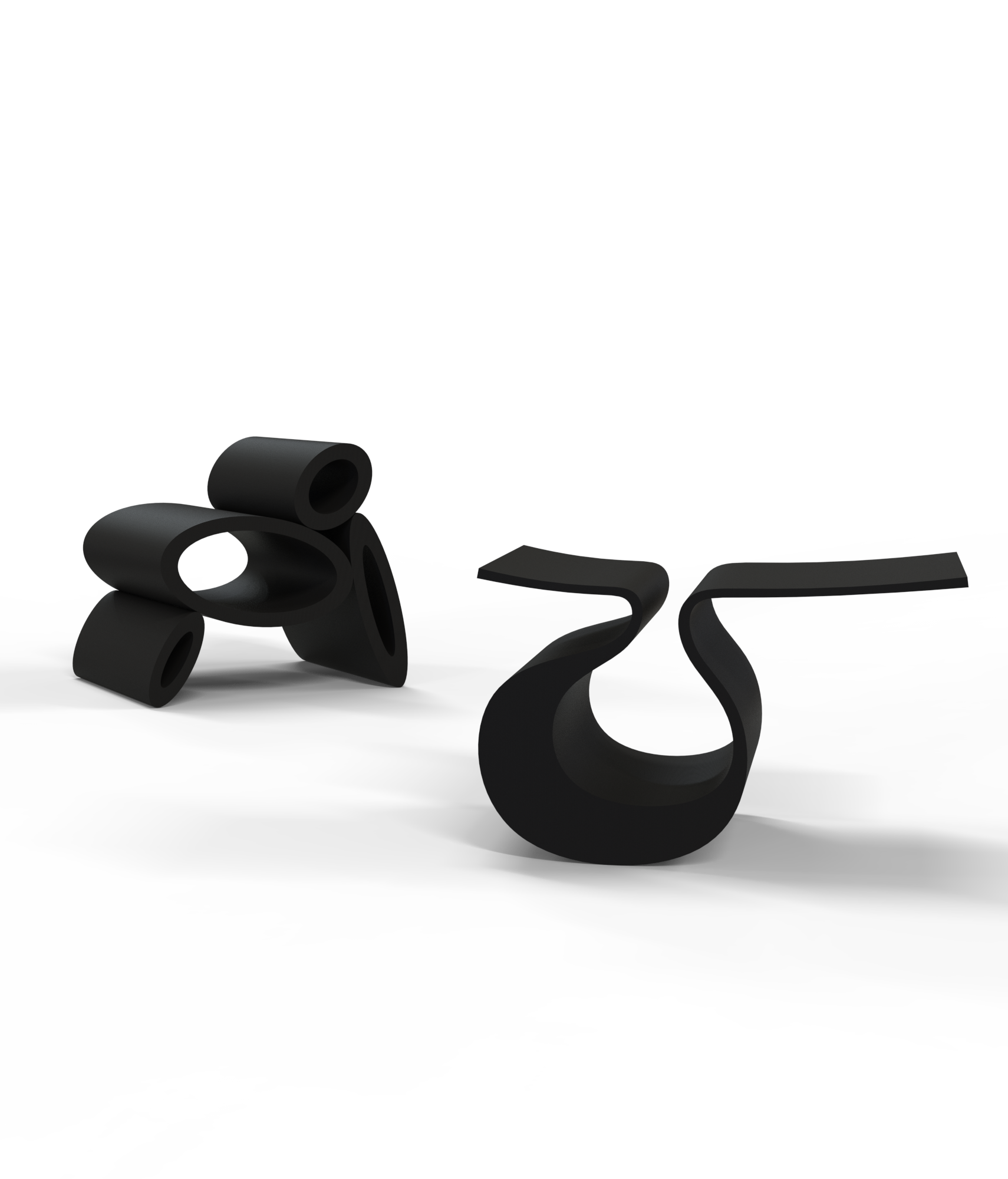
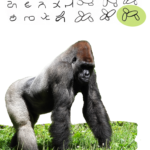
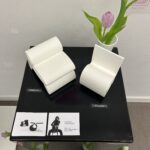
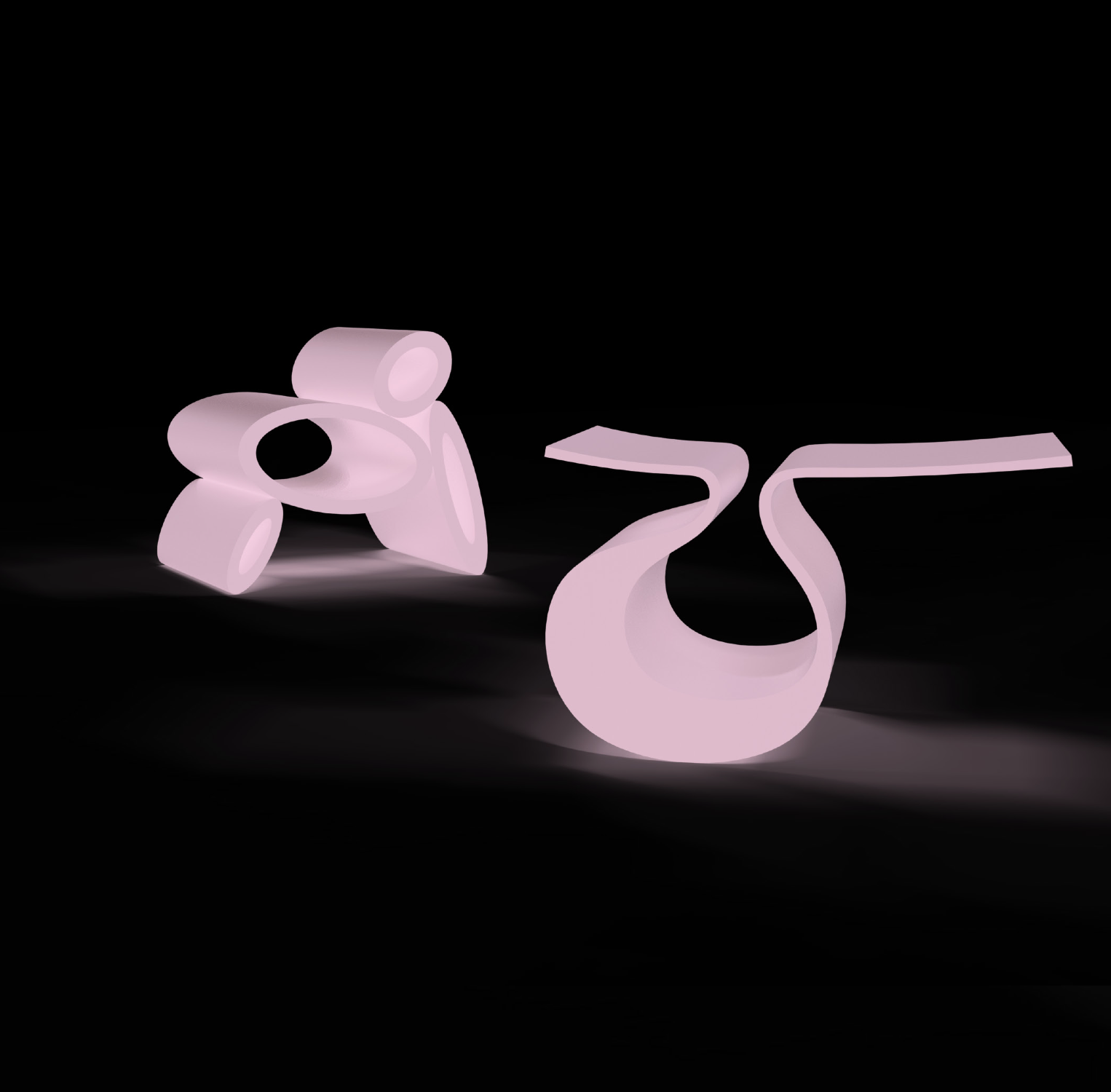
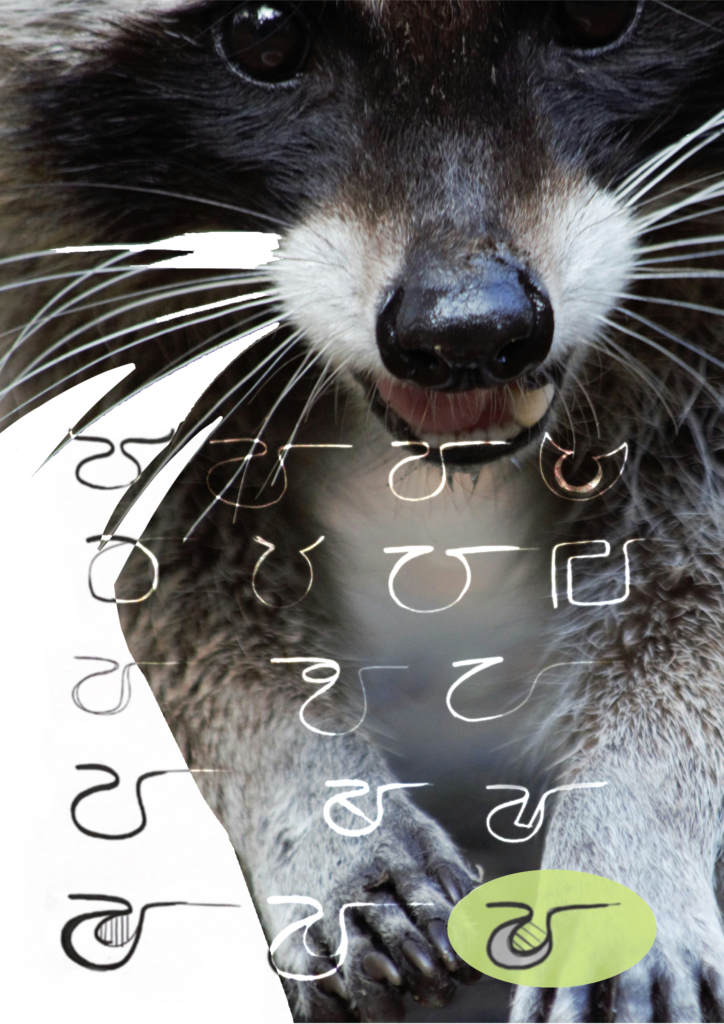
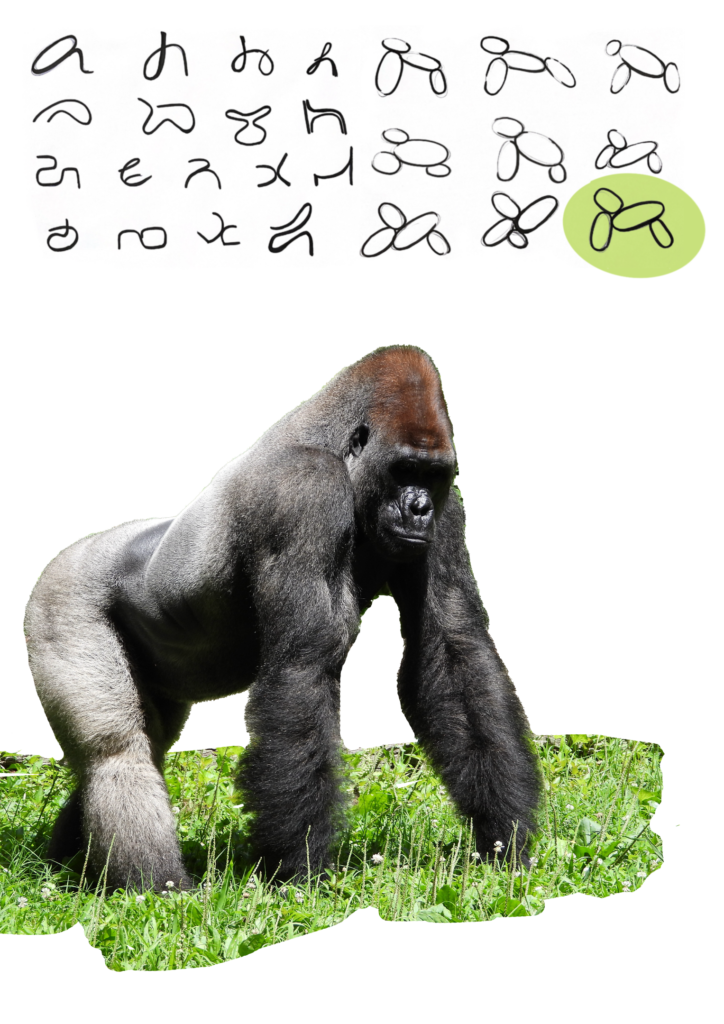
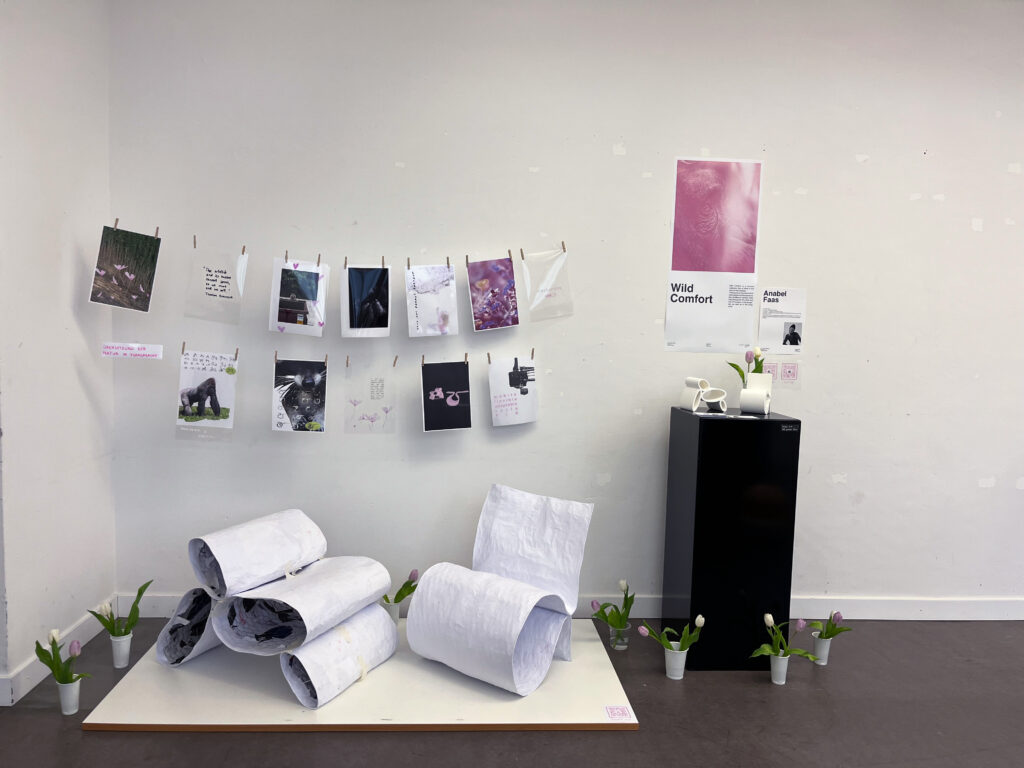
Wild Comfort challenges traditional product development by raising the systemic question of a functional coexistence between humans and animals. Instead of ruthlessly displacing natural habitats for new consumer goods, this project utilizes design as an active tool for wildlife conservation. The furniture series translates the semantic codes and characteristics of two highly symbolic species into a functional design language: the gorilla as a symbol of endangered habitats, and the raccoon as an emblem of human-induced, invasive expansion
Design & Semantics
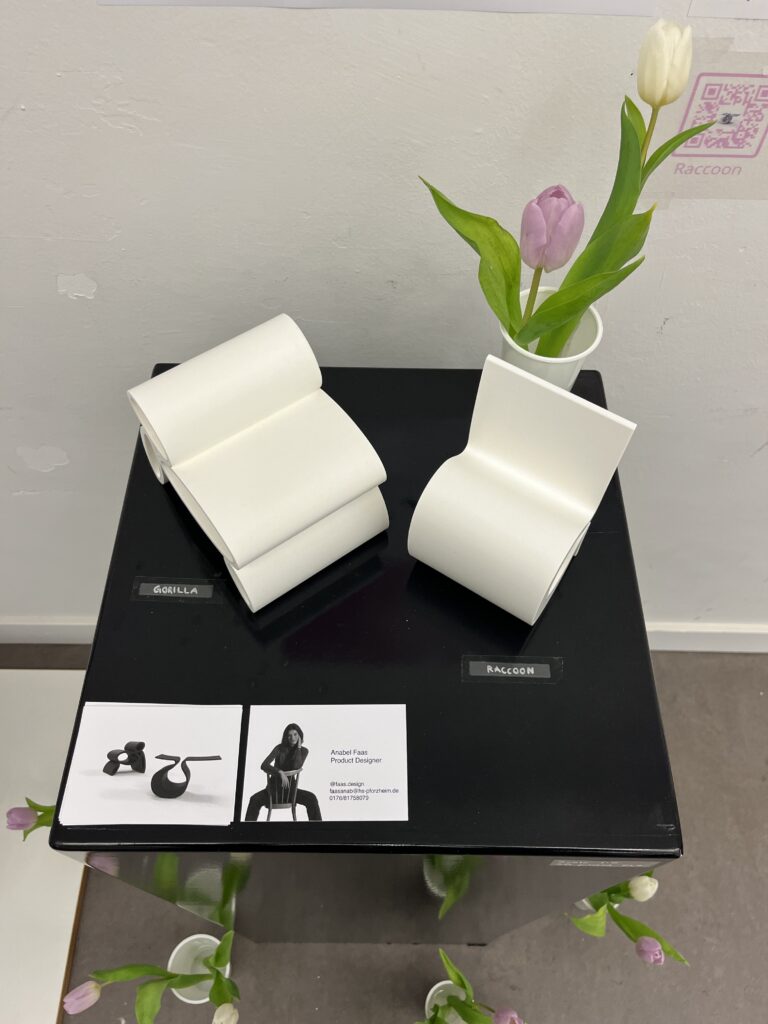
Each object derives its aesthetic directly from the morphology of its animal counterpart:
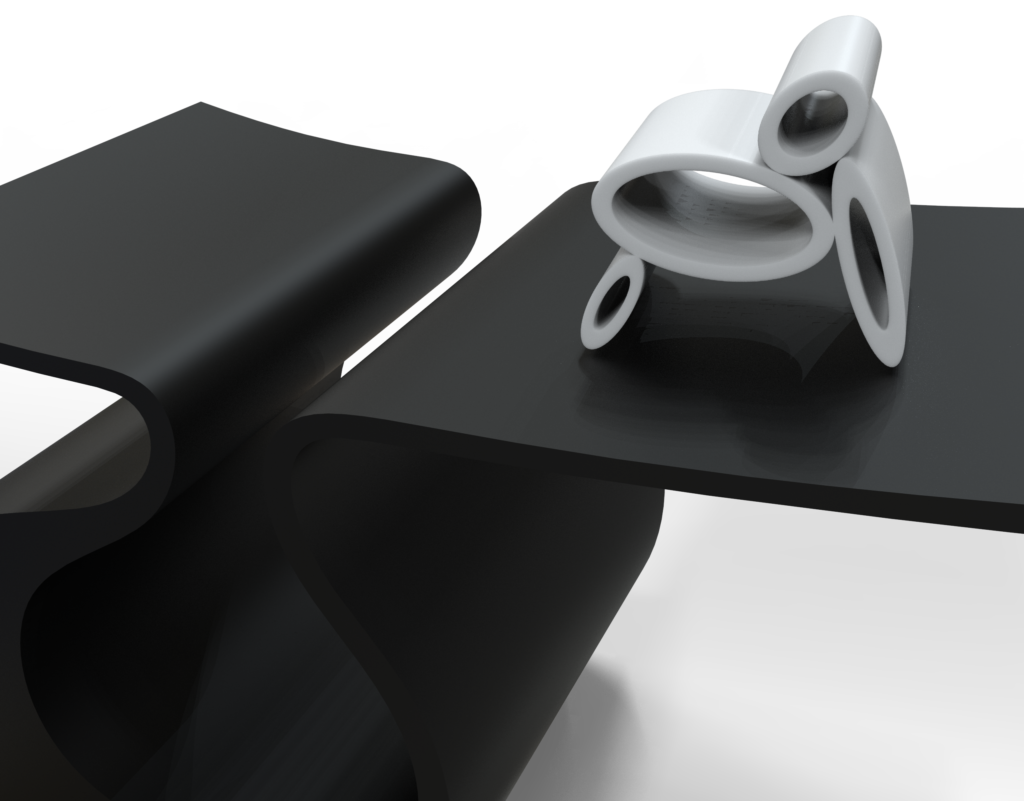
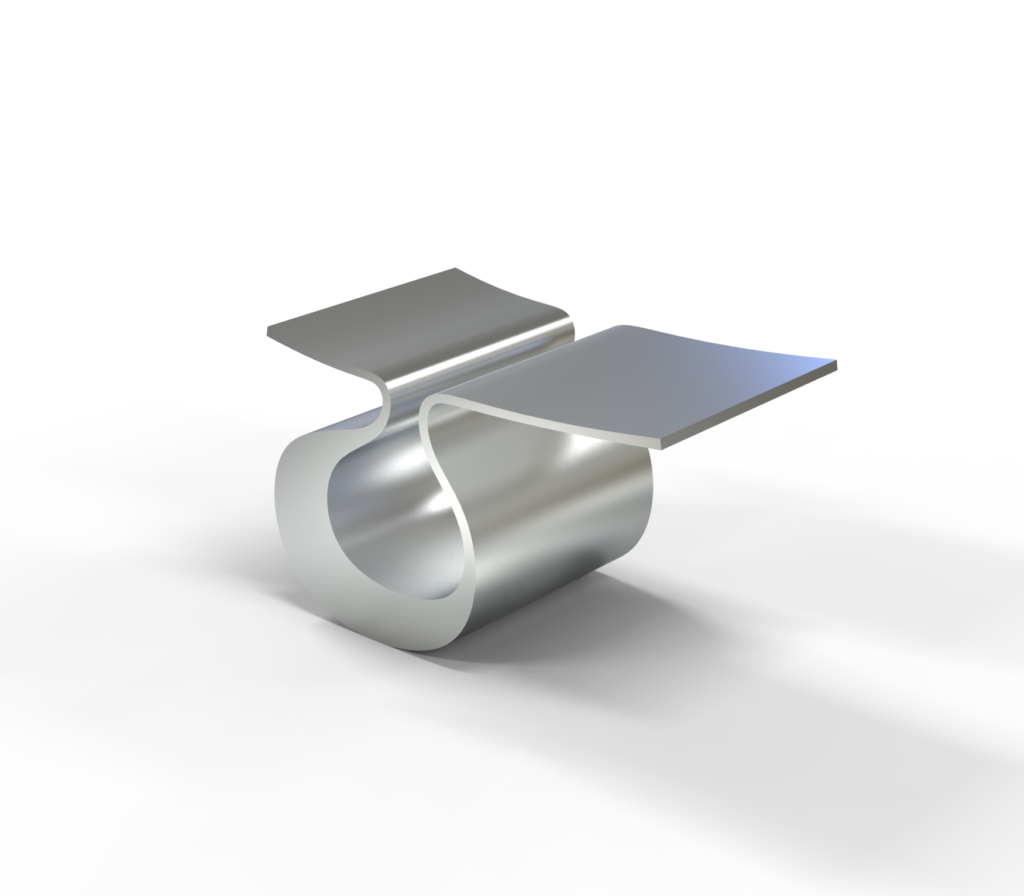
The Raccoon Stool
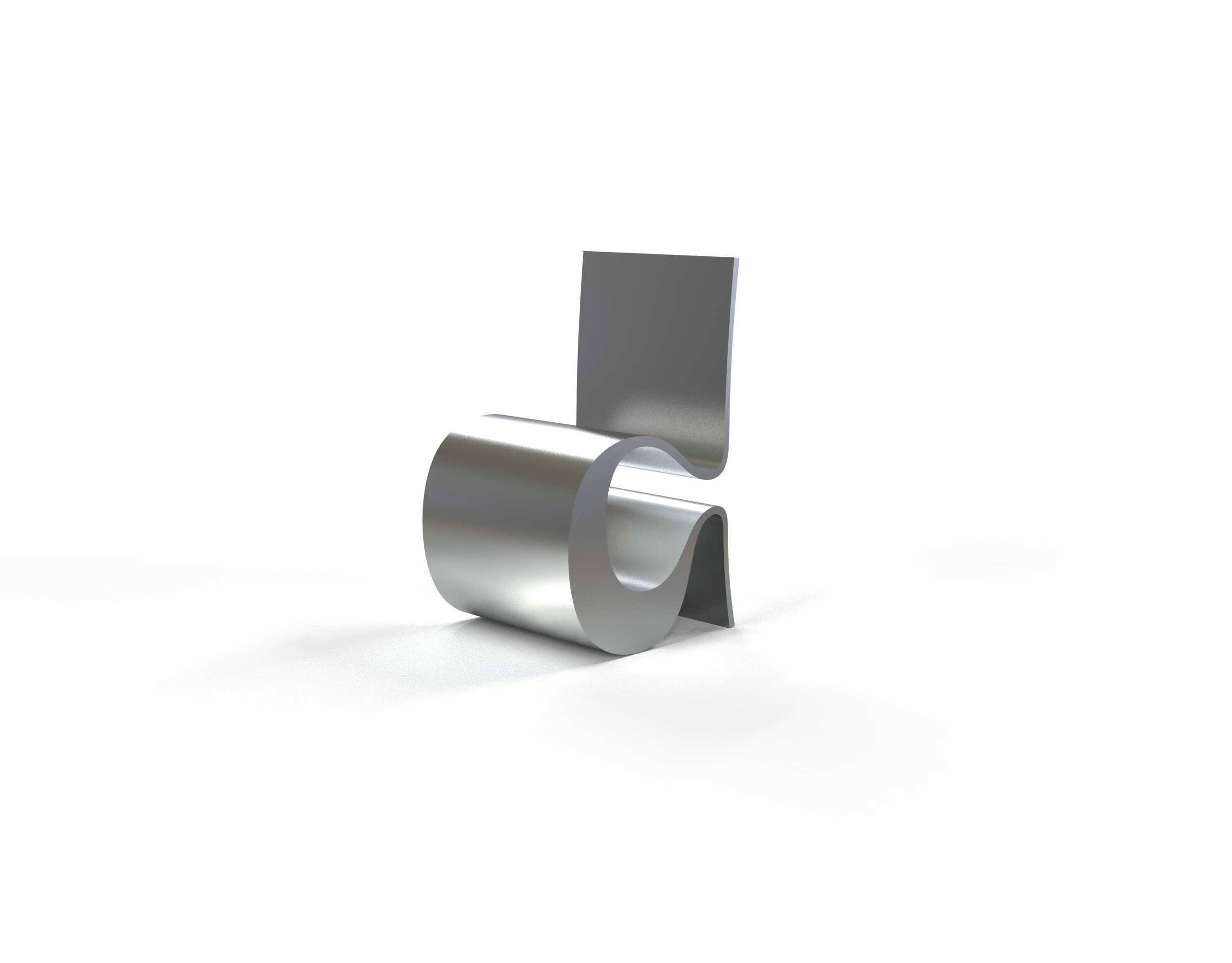
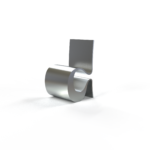
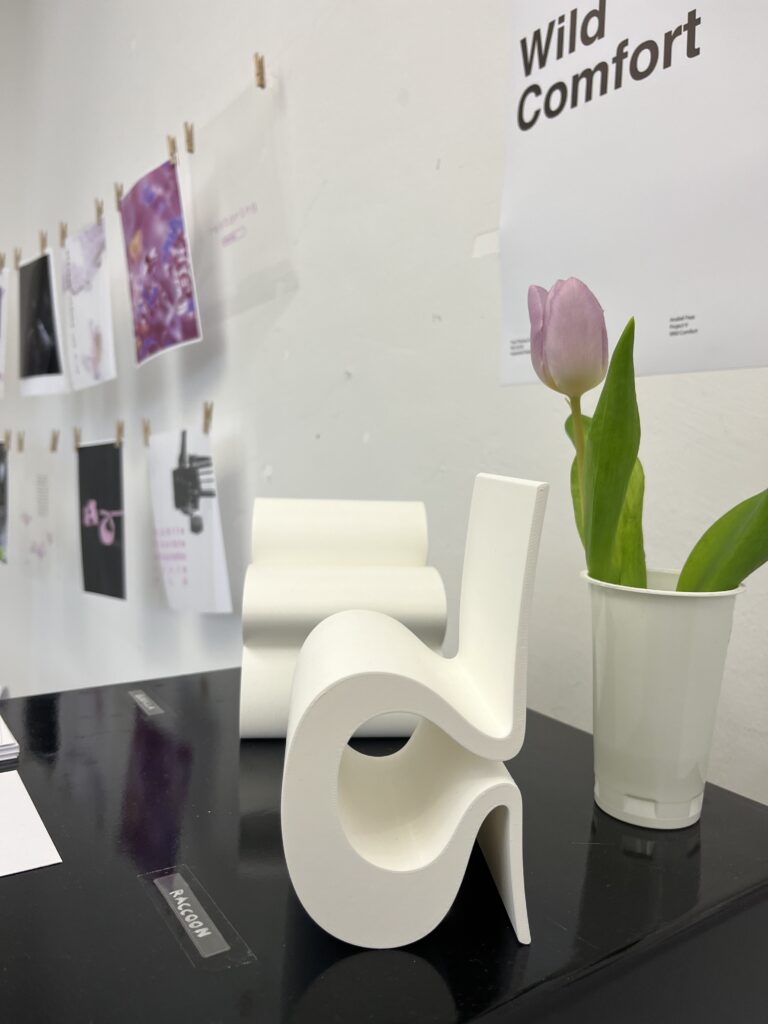
As adaptable as the raccoon itself, this design stands out through its clever reversibility. The transformable object can be used situationally as a stool or a side table, reacting flexibly to the user’s needs.
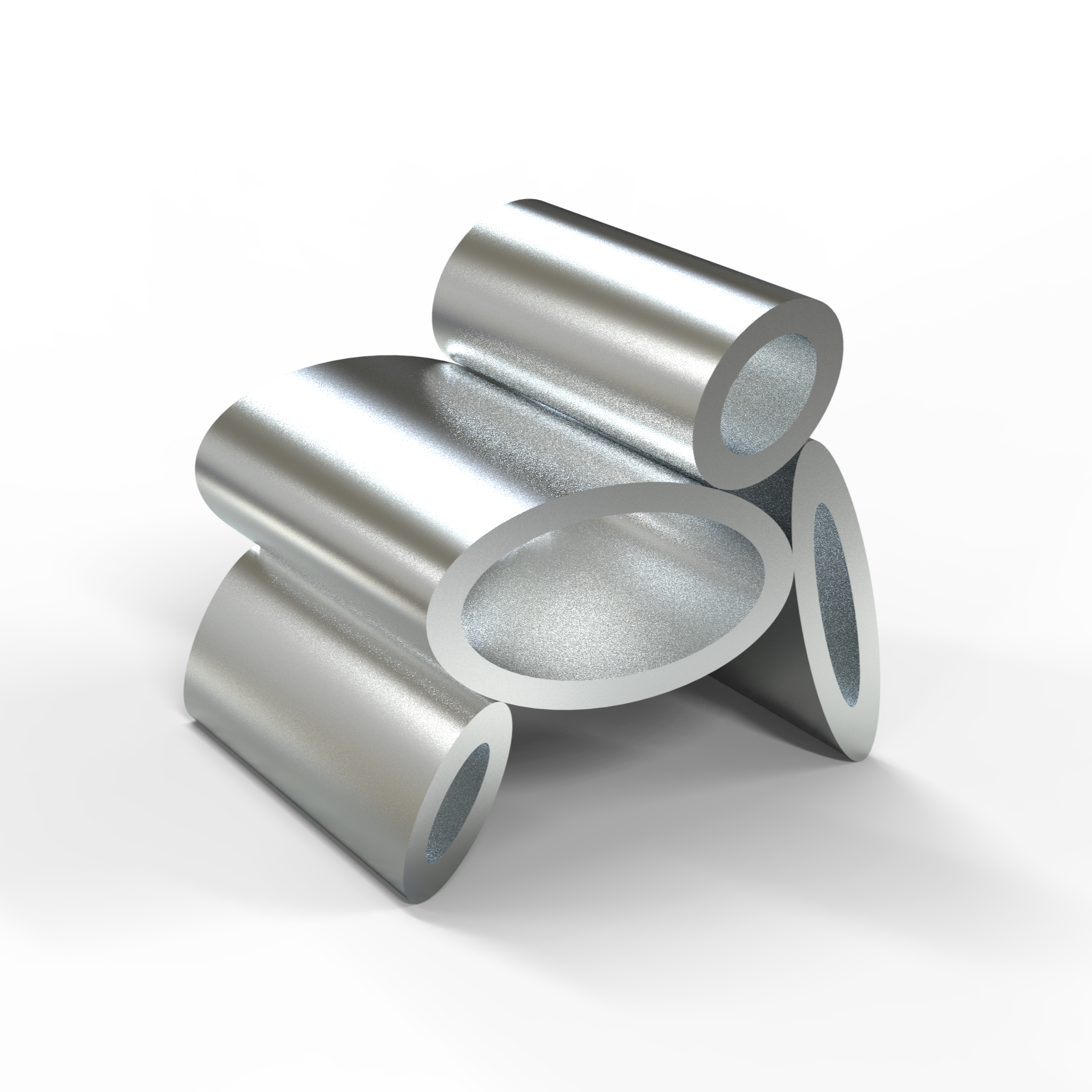
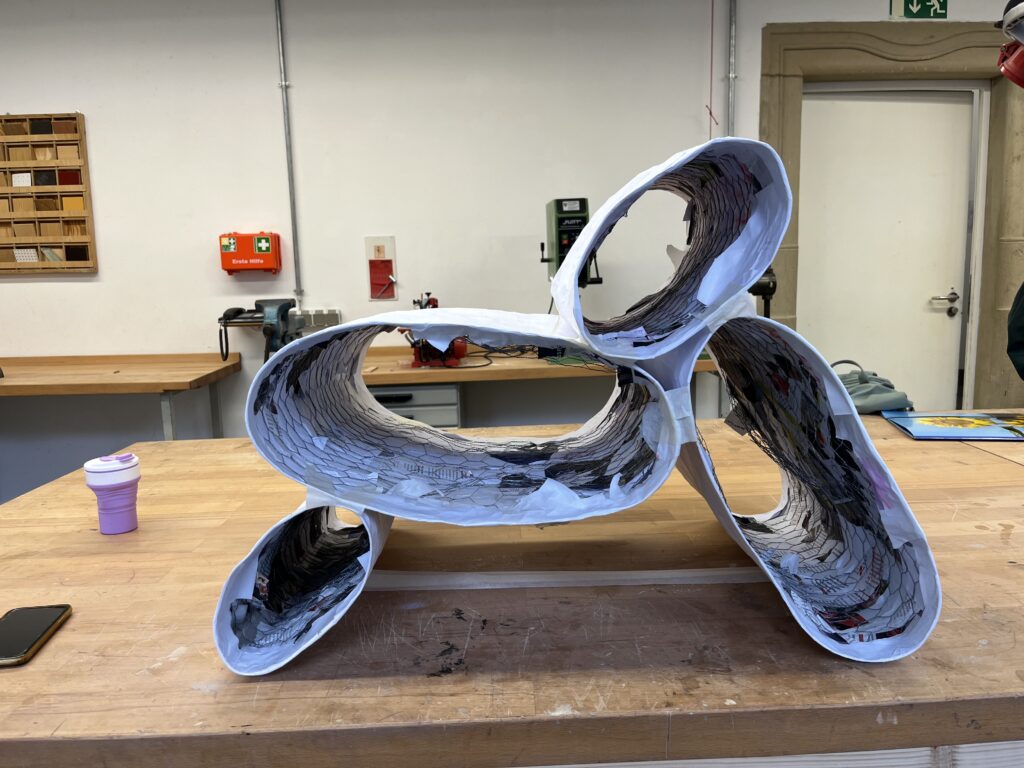
The Gorilla Lounge Chair
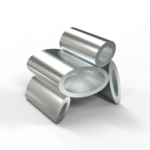
A design characterized by a strong, commanding spatial presence and massive robustness. Simultaneously, its soft, rounded edges reflect the highly approachable, human-like, and gentle nature of the animal.
Systemics & Responsibility
For Wild Comfort, the design ambition does not end with the outer form; it redefines the entire production process. To drastically minimize transport routes and the associated ecological footprint, the concept is based on a decentralized manufacturing approach. Buyers purchase the CAD data to have the objects manufactured locally on demand. A fixed percentage of the proceeds flows directly back into wildlife conservation. This creates a closed-loop system that not only conserves resources but actively contributes to the preservation of wild habitats.